

[01]
[01]


Micro-foundations of Acute Malnutrition and Resilience in Kenyan Drylands
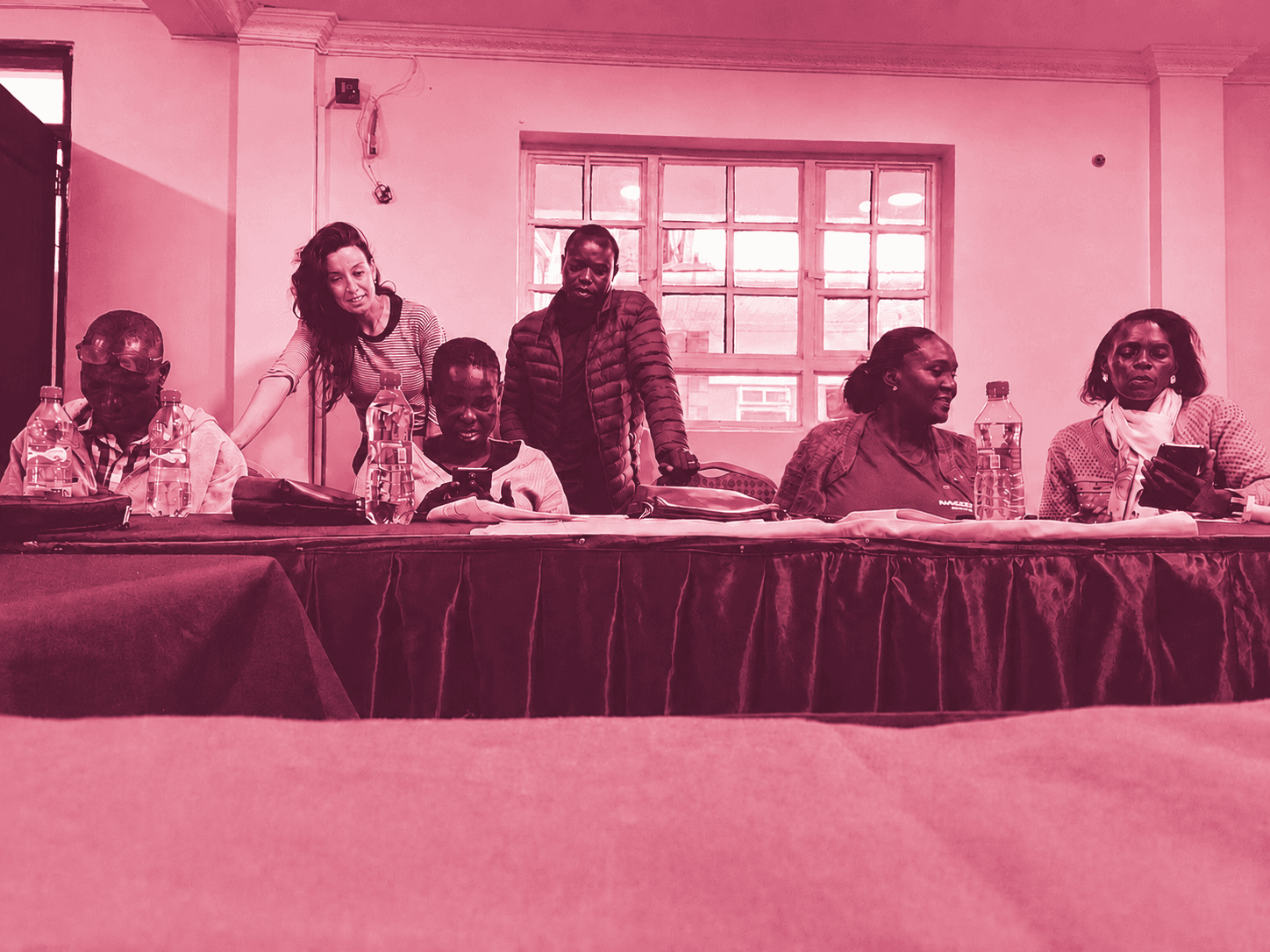
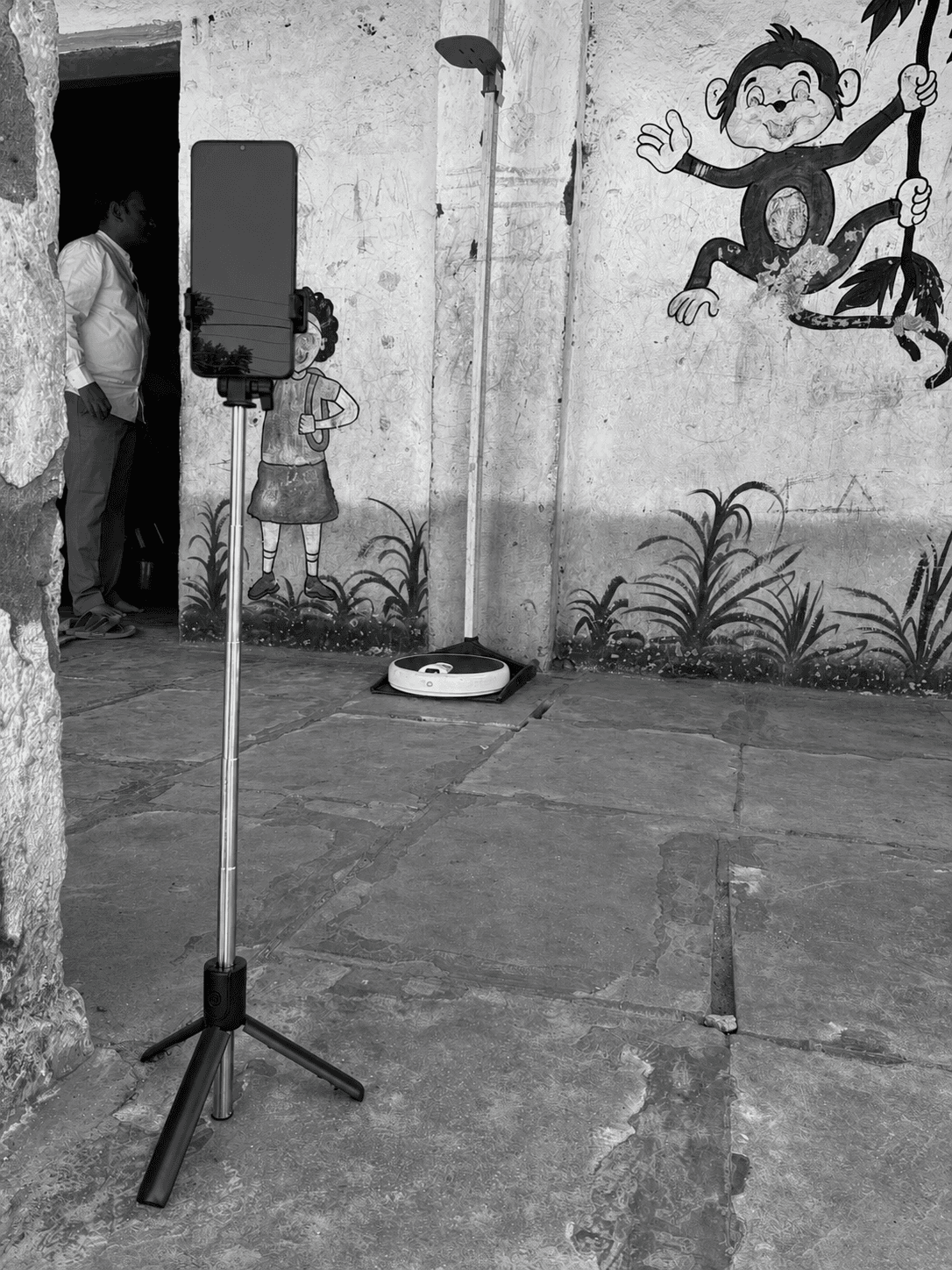
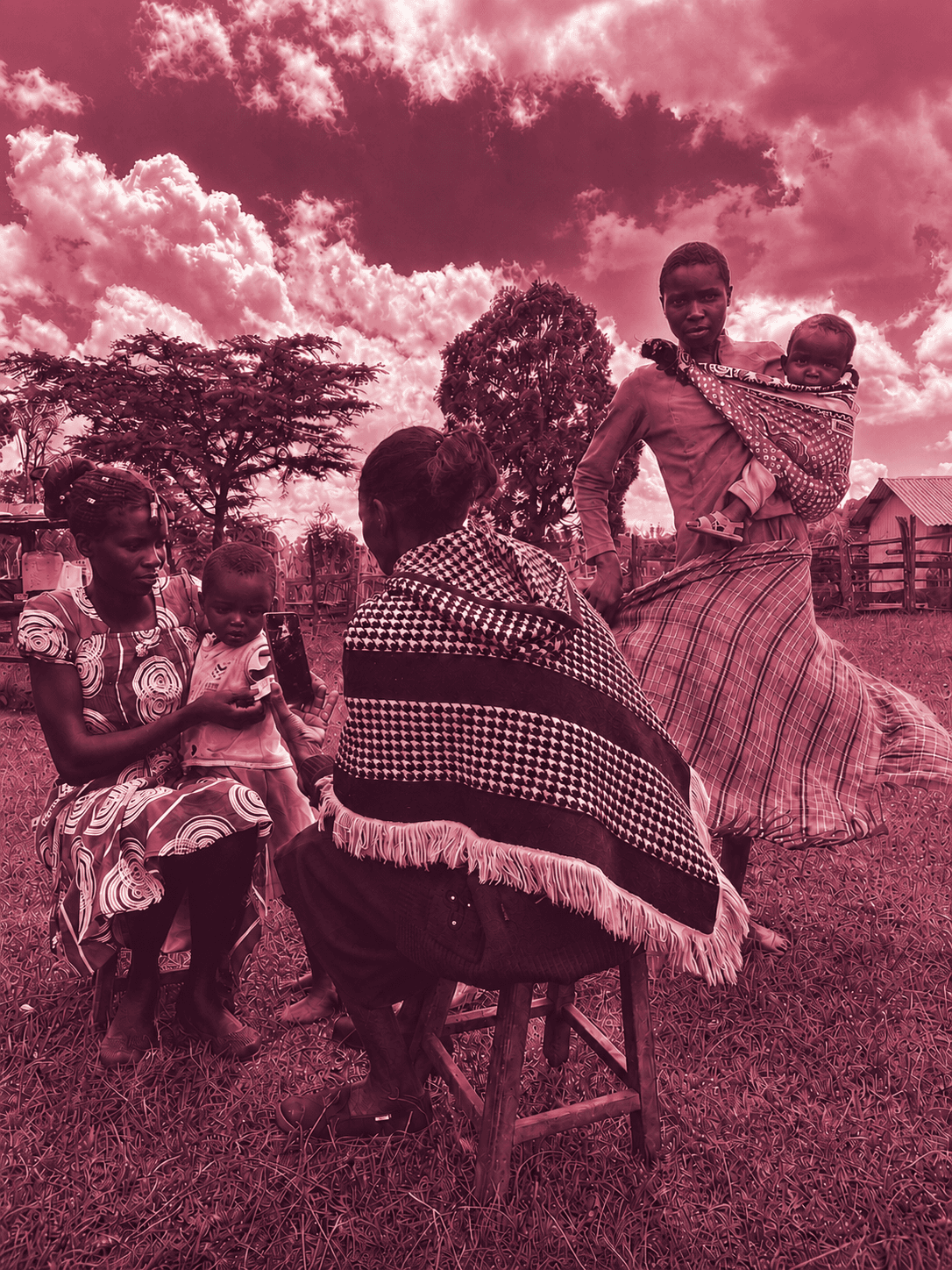
This project investigates why some households in dryland Kenya are more vulnerable to child acute malnutrition than others, and how local resilience can be better understood, measured, and supported. Using data-driven methods, the research examines the household-level drivers of undernutrition, the role of social and personal networks, and the value of dynamic risk assessment for earlier and more targeted intervention. The project brings together three linked studies. The first assesses the feasibility of smartphone-based, community-led surveys for near-real-time nutrition monitoring. The second uses panel data to analyze how household network structures shape vulnerability to acute malnutrition. The third demonstrates how dynamic risk models can support more timely and thorough treatment. By addressing gaps in both data collection and analysis, the project contributes to a broader research agenda on predictive nutrition monitoring, resilient local food systems, and progress toward nutrition-related Sustainable Development Goals in dryland regions.
2018
Year
Year
3 years
Duration
Duration
Other Projects
Other Projects
[02]
[02]



[01]
[01]
Micro-foundations of Acute Malnutrition and Resilience in Kenyan Drylands
This project investigates why some households in dryland Kenya are more vulnerable to child acute malnutrition than others, and how local resilience can be better understood, measured, and supported. Using data-driven methods, the research examines the household-level drivers of undernutrition, the role of social and personal networks, and the value of dynamic risk assessment for earlier and more targeted intervention. The project brings together three linked studies. The first assesses the feasibility of smartphone-based, community-led surveys for near-real-time nutrition monitoring. The second uses panel data to analyze how household network structures shape vulnerability to acute malnutrition. The third demonstrates how dynamic risk models can support more timely and thorough treatment. By addressing gaps in both data collection and analysis, the project contributes to a broader research agenda on predictive nutrition monitoring, resilient local food systems, and progress toward nutrition-related Sustainable Development Goals in dryland regions.
2018
Year
Year
3 years
Duration
Duration
Other Projects
Other Projects
[02]
[02]
[01]
[01]
Micro-foundations of Acute Malnutrition and Resilience in Kenyan Drylands
This project investigates why some households in dryland Kenya are more vulnerable to child acute malnutrition than others, and how local resilience can be better understood, measured, and supported. Using data-driven methods, the research examines the household-level drivers of undernutrition, the role of social and personal networks, and the value of dynamic risk assessment for earlier and more targeted intervention. The project brings together three linked studies. The first assesses the feasibility of smartphone-based, community-led surveys for near-real-time nutrition monitoring. The second uses panel data to analyze how household network structures shape vulnerability to acute malnutrition. The third demonstrates how dynamic risk models can support more timely and thorough treatment. By addressing gaps in both data collection and analysis, the project contributes to a broader research agenda on predictive nutrition monitoring, resilient local food systems, and progress toward nutrition-related Sustainable Development Goals in dryland regions.